A first-of-its-kind accelerator created through a collaboration among UNC-Chapel Hill, KPMG LLP and the Town of Chapel Hill helps AI and deep-tech startups move faster from breakthrough ideas to real customers—by connecting them directly with the enterprise world.
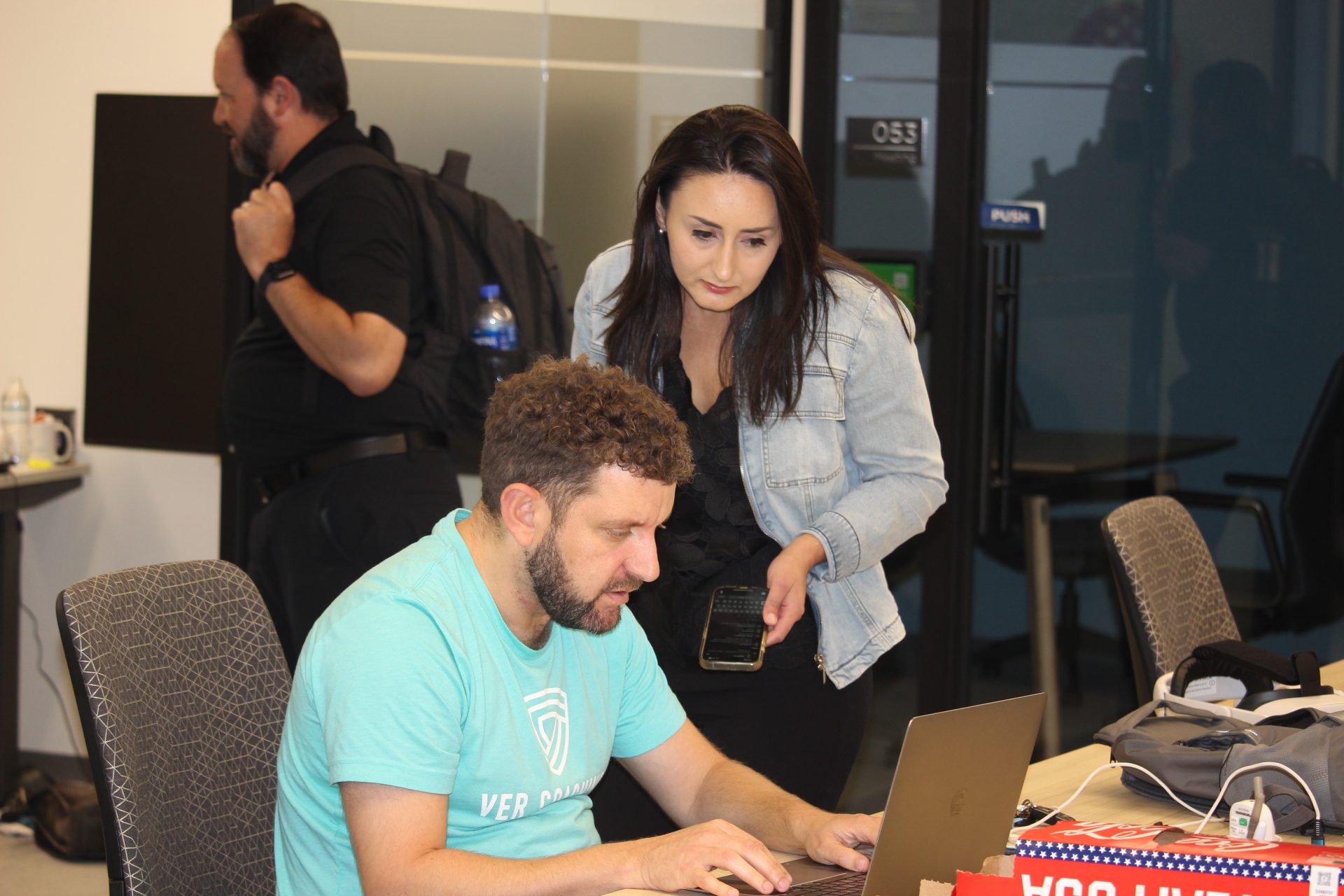
John Armin’s company stood at a crossroads. Utilyst had just achieved a major milestone, proving that its AI platform could help water utilities predict infrastructure failures before they happen. The technology worked. But for the company to expand into a next phase, Armin made a strategic move that wouldn’t have been possible even a year prior.
“We joined the Launch Chapel Hill Powered by KPMG accelerator at a pivotal moment for Utilyst. We were in active pilot development discussions with a major East Coast water utility—including technical presentations, data exchange discussions, and early pilot planning—while also beginning technical scoping discussions with other utilities,” said Armin, founder and CEO of Utilyst and adjunct assistant professor at UNC-Chapel Hill’s Gillings School of Global Public Health. “However, we needed to move from water utilities, where I had 16 years of experience, into adjacent infrastructure sectors like energy, telecom and corporate facilities where the same asset management challenges exist.”
Utilyst is one of 32 startup companies that joined the Launch Chapel Hill Powered by KPMG accelerator (or Launch Powered by KPMG) during its inaugural year. The accelerator—celebrating its one-year anniversary during spring 2026—grew out of a collaboration between UNC-Chapel Hill, KPMG and the Town of Chapel Hill. Headquartered at the Innovate Carolina Junction, a downtown innovation and coworking hub operated by the university, the accelerator is a new model for building startups—one that gives companies unprecedented access to enterprise-level customers.
Like many experienced founders with minimum viable product (MVP)-stage companies, Armin wanted more than pitch refinement. He wanted a go-to-market strategy and a sales playbook that would create real business opportunities. Armin worked with KPMG’s infrastructure practice to understand how Fortune 500 enterprises evaluate and procure predictive analytics solutions differently than municipal utilities. And he wanted access to KPMG’s expansive network of consultants and clients to validate whether his product’s value proposition resonates beyond water infrastructure.
“The accelerator’s focus on helping MVP-stage companies refine go-to-market strategies for enterprise customers aligned perfectly with where we were,” he said.
Launch Powered by KPMG serves MVP-stage, deep-tech startups—companies building frontier technologies such as AI, advanced manufacturing, biotech and robotics. Of its first 32 companies, more than half are AI-driven. Examples of companies in the first three cohorts include:
The accelerator addresses a critical gap in the startup journey: the difficult transition from a working product to a first paying customer, often called a “valley of death.” In the fast-moving age of AI, many startups develop technologies rapidly but lack connections and market insights needed to secure early customers. As development cycles accelerate, the need for pilots and real-world validation comes even sooner. Launch Powered by KPMG helps fill this gap in ways that traditional accelerators often do not.
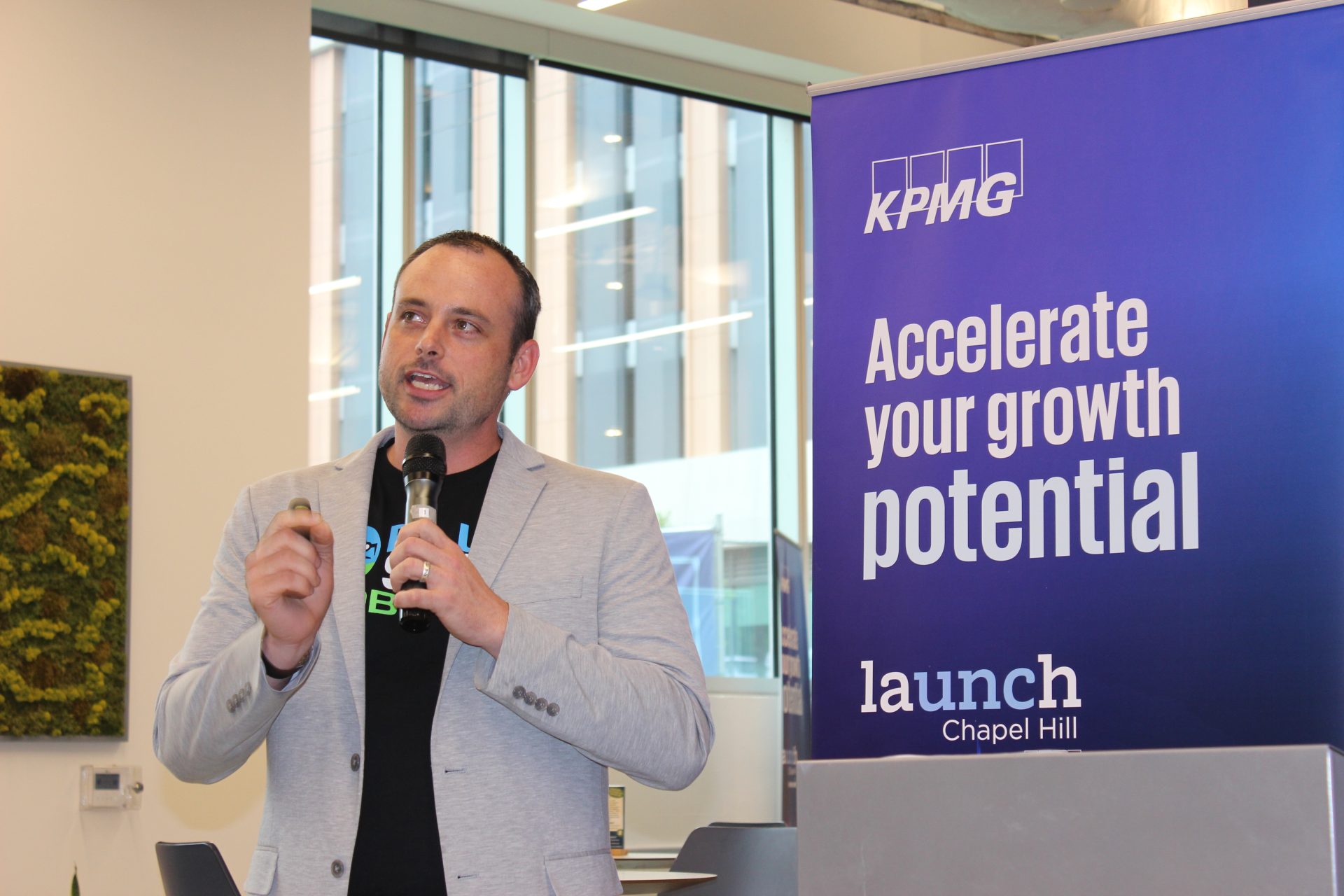
“A lot of accelerators lean on educating and preparing early-stage founders, which is great,” said Brad Jenkins, managing director, enterprise innovation at KPMG LLP. “With Launch Powered by KPMG, we have an interesting balance where we still prepare and educate founders, but also go beyond those basics to help companies validate their market and create the customer relationships they need. We’re focused on getting them to market and in front of buyers right now.”
The accelerator is designed for companies ready to move beyond pure mentorship to market access.
“What we do differently is help deep-tech and AI companies secure early pilots and customers,” said Emil Runge, director of Launch Chapel Hill. “Getting that first customers is a major pain point, so we help build the go-to-market strategy and scaffolding to get through that valley of death.”
Sheryl Waddell, UNC-Chapel Hill’s director of innovation hubs and engagement, said the respective strengths of the university and KPMG create an advantage for startups.
“KPMG brings a global network of consultants with deep industry expertise who guide founders on how to work with enterprise buyers, plus an extensive portfolio of KPMG clients who may become customers or collaborators,” said Waddell. “UNC and Innovate Carolina connect startups to faculty who are conducting relevant research as well as to students who can support and learn from the companies.”
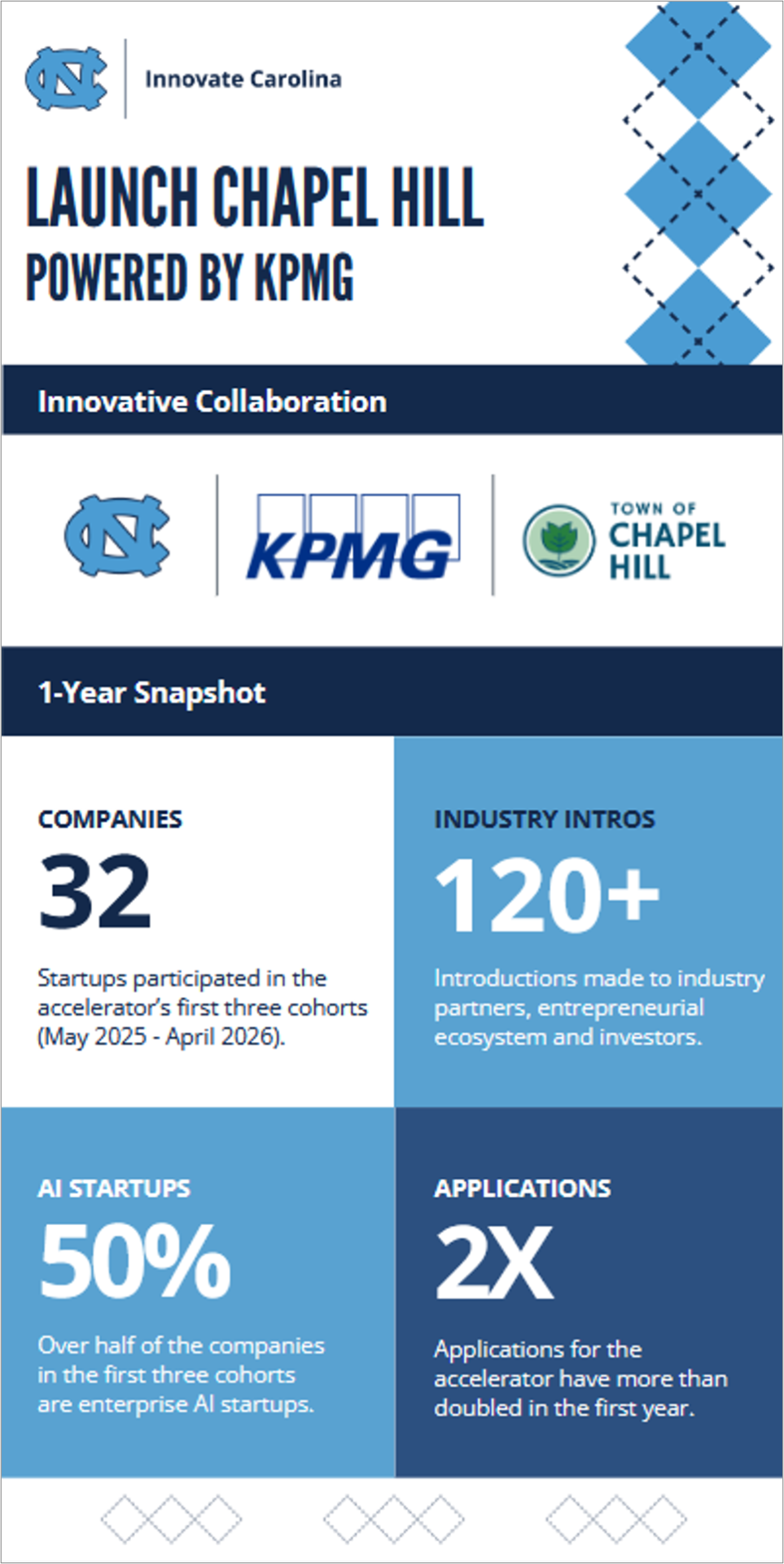
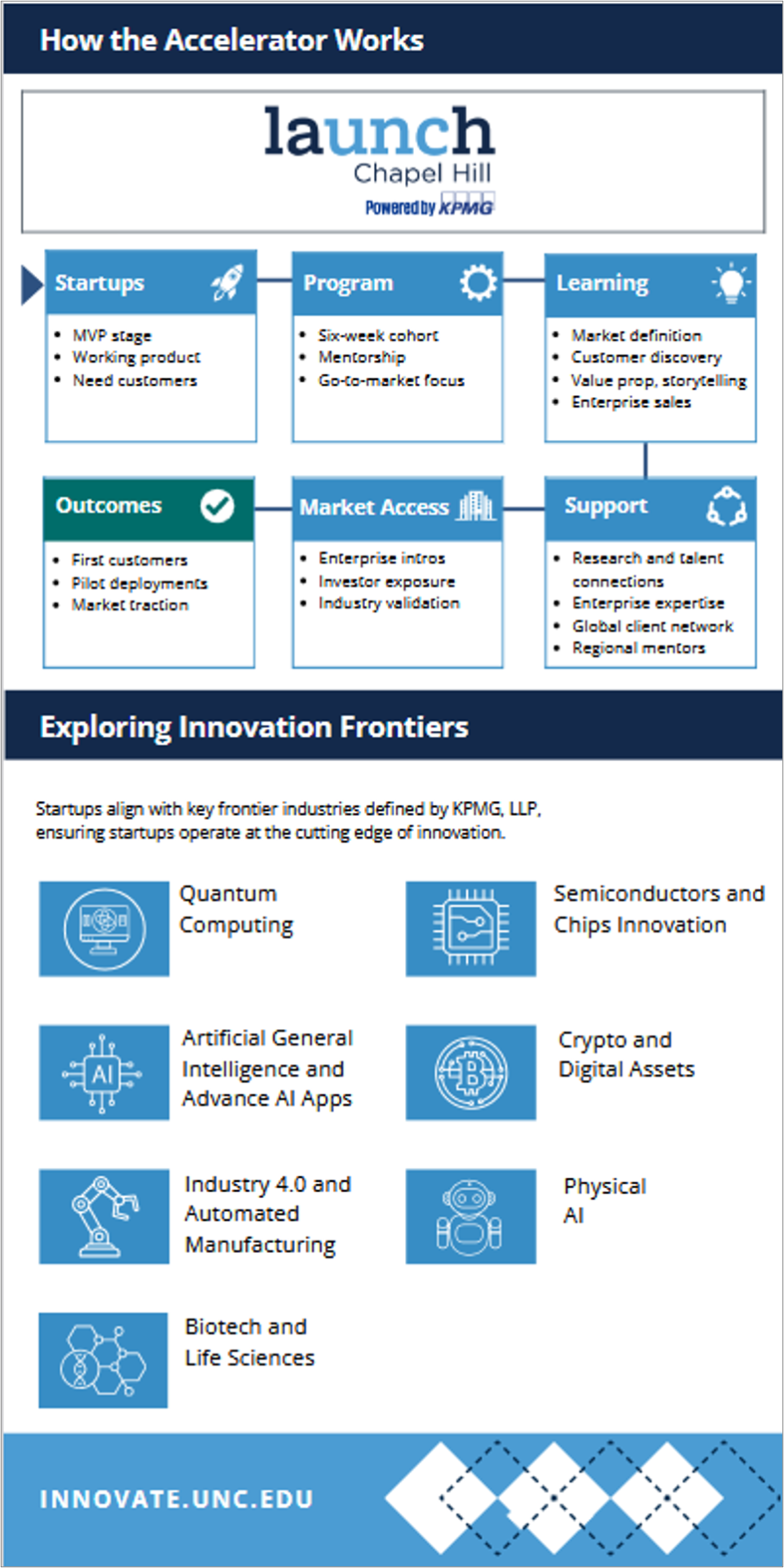
Company founders are taking notice and jumping aboard. Applications have more than doubled in the program’s first year. The selection process is competitive, with the program typically accepting only about 10 startups per cohort—a 20% acceptance rate for spring 2026.
One of those companies is Cary-based Pellucid Network, which helps companies quickly deploy software and AI tools while automatically keeping spending, security and approvals under control. Founder Nick Miller quickly saw the fit.
“KPMG is a leading brand with deep expertise in the IT audit and enterprise software space—exactly the domain Pellucid operates in. Their collaboration with UNC and Launch Chapel Hill made this accelerator uniquely relevant, given the alignment between what KPMG understands about customer challenges and what we’re building,” said Miller. “What sealed it was their ‘customer accelerator’ model: the explicit focus on helping early-stage companies land their first customers is rare and directly maps to where we are. As a startup rooted in the RTP and Cary ecosystem, this opportunity was too well-aligned to pass up.”
The six-week accelerator program immerses companies in a structured set of growth experiences, including workshops, mentorship, peer collaboration, and connections to KPMG consultants and customers. Each cohort also includes opportunities to present internally during small-group meetings and larger Demo Day events. The program also supports founders in pitching at startup showcases like CED Venture Connect and Grep-a-Palooza in the wider Raleigh-Durham region. Sessions focus on customer discovery, market definition, value proposition, storytelling, go-to-market strategy, enterprise sales, investor readiness and non-dilutive funding opportunities like federal SBIR/STTR grants.
“The Launch Powered by KPMG accelerator surrounds startups with structured expertise at exactly the right moment. The programming around GTM strategy, product positioning, and messaging has been genuinely sharpening—these are the areas where early-stage companies most often lose time and money without realizing it,” said Miller about Pellucid’s experience. “Beyond the curriculum, KPMG’s network and local tech ecosystem connections open relationships and rooms that would otherwise be out of reach for an early-stage founding team.”
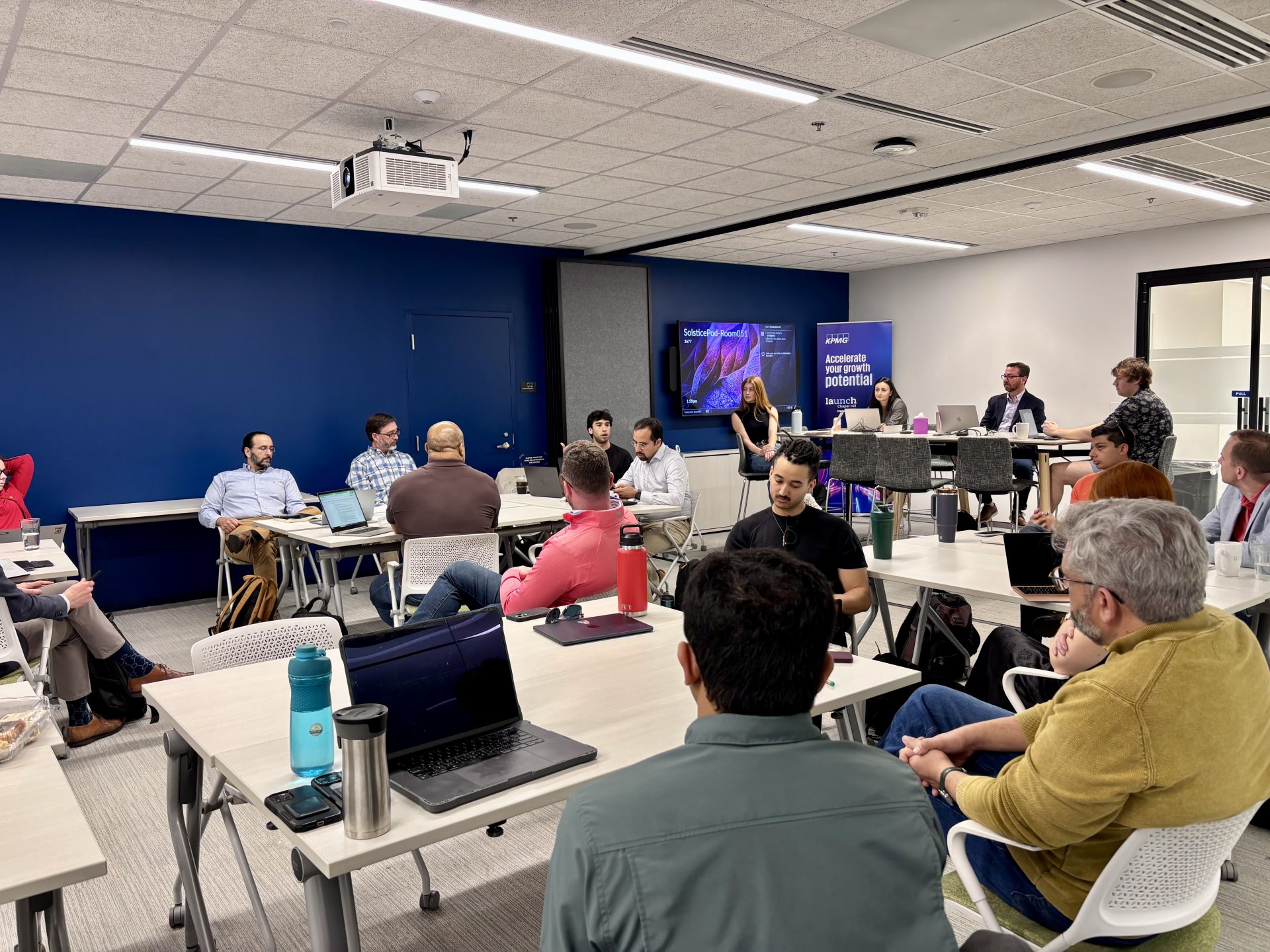
Jordan McAlister, associate director for KPMG LLP Enterprise Innovation, said the program gives founders “a healthy dose of what it takes to sell into an enterprise from people who are actively buying and selling” as well as “an aggregate perspective of what KPMG industry experts are hearing in the market from a number of enterprises.”
Armin said the accelerator forced him to document his company’s sales playbook and articulate its value proposition in ways that work across infrastructure types, not just water utilities. He said that this discipline helped him start more productive conversations with energy and facilities management prospects who previously would have required completely customized pitches.
“The most valuable aspect has been the concentrated focus on sales fundamentals and go-to-market that I didn’t get in my previous technical roles,” said Armin. “KPMG’s mentors helped us think critically about sales strategy, channel partnerships versus direct sales, and how to position infrastructure intelligence for different industries.”
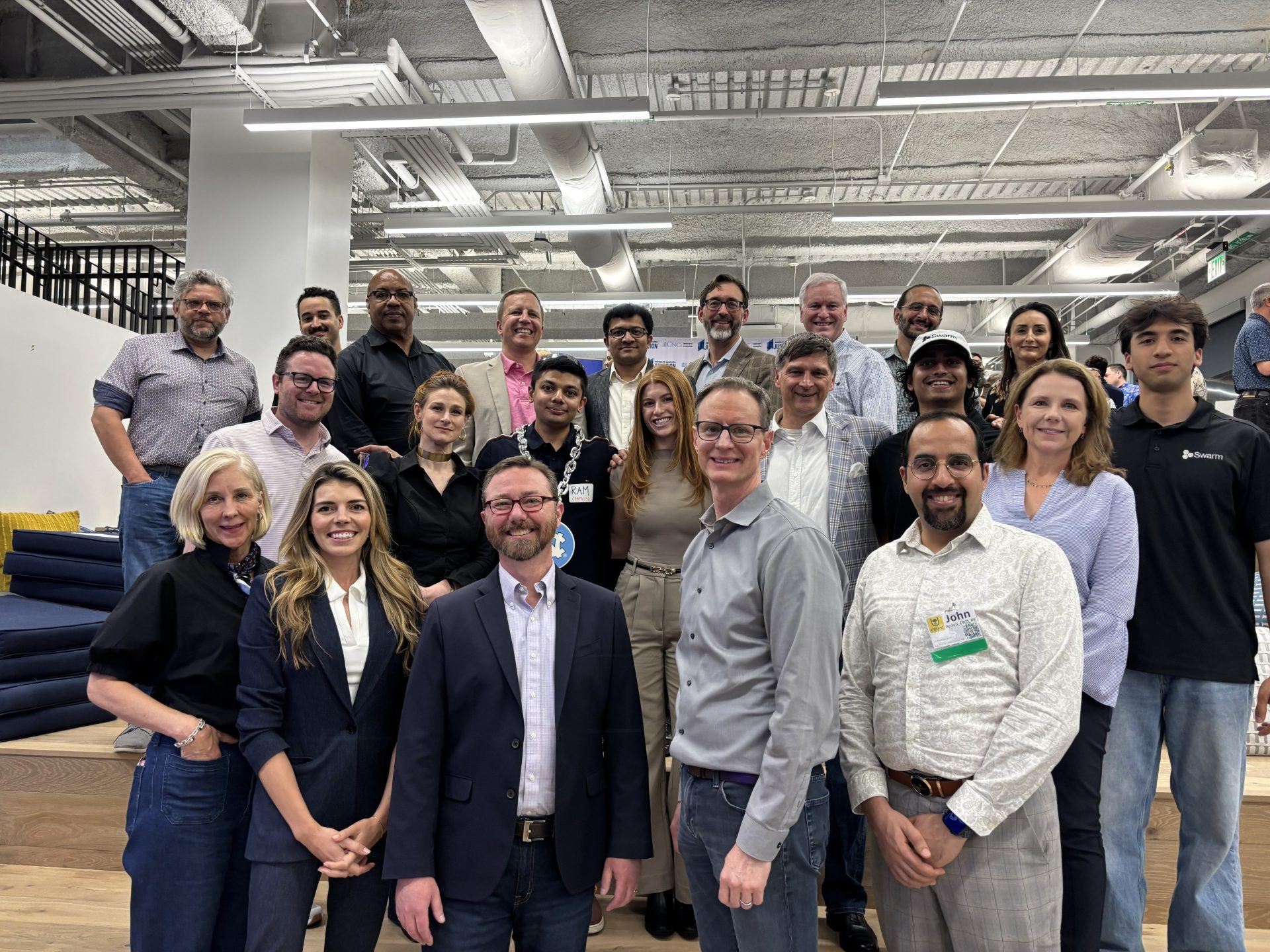
Experts from KPMG and the university aren’t the only ones serving as mentors. Founders, entrepreneurial coaches and tech experts from other companies and organizations across the RTP region frequently volunteer as advisers and speakers. Equally valuable is peer learning, as many founders describe a sense of community across the cohorts. “The cohort itself has been unexpectedly valuable,” Armin said. “I’m learning as much from the other companies about enterprise sales motion as I am from the formal programming.”
The Launch Powered by KPMG team often plays matchmaker between current and past companies that can help one another as mentors, customers or network connectors. It also invites past participants to return and participate in events and works with founders after they complete the formal program. “Whether or not the company that came through the cohort becomes a unicorn, gets bought, or starts something else—whatever they end up doing—we want to have a mentoring relationship with them and see what they go on to do,” said Ginger Luckey, manager for enterprise innovation at KPMG LLP. “We hope to follow them for a long time.”
Established over a decade before the new joint accelerator with KPMG, Launch Chapel Hill has a history of economic impact. It offers accelerators for residents of Chapel Hill and Carrboro who are exploring business ideas (Launch Local) and for student entrepreneurs (Student Summer Accelerator). As reported in fiscal year 2025, Launch Chapel Hill had supported nearly 250 total companies, which raised a cumulative $134.5 million in funding. Its 119 active companies generated $95.2 million in revenue and 5,500 jobs during the fiscal year.
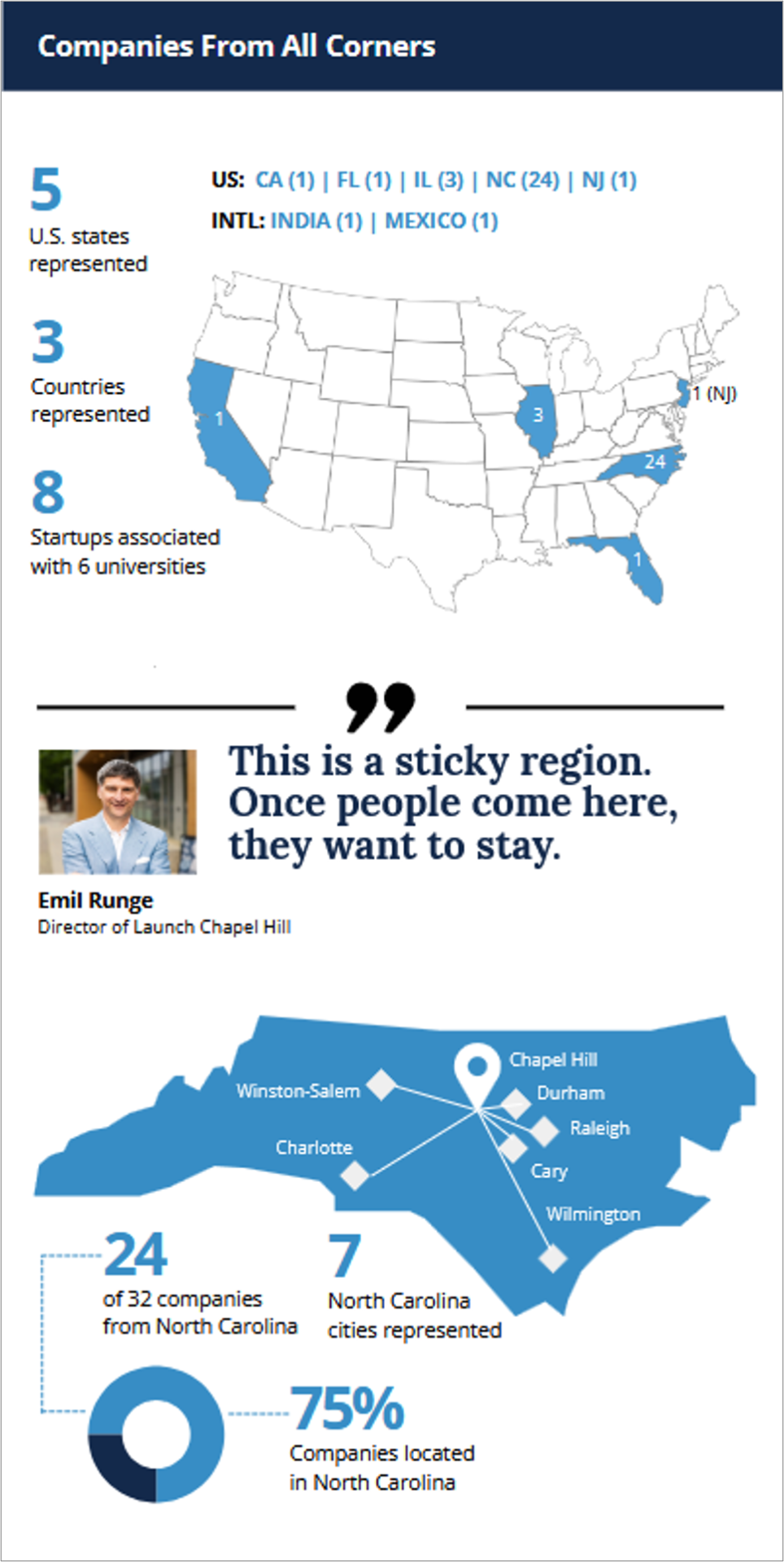
These figures don’t yet reflect Launch Powered by KPMG companies, but the emerging impact of the accelerator is already apparent. Of the 32 companies participating in the first three cohorts, approximately 70% are based in the Research Triangle region. Among the roughly one-third of cohort participants that hail from beyond the Raleigh-Durham area are companies headquartered in Charlotte, Wilmington and Winston-Salem, plus eight firms from six states and countries beyond North Carolina (California, Florida, Illinois, New Jersey, Mexico and India).

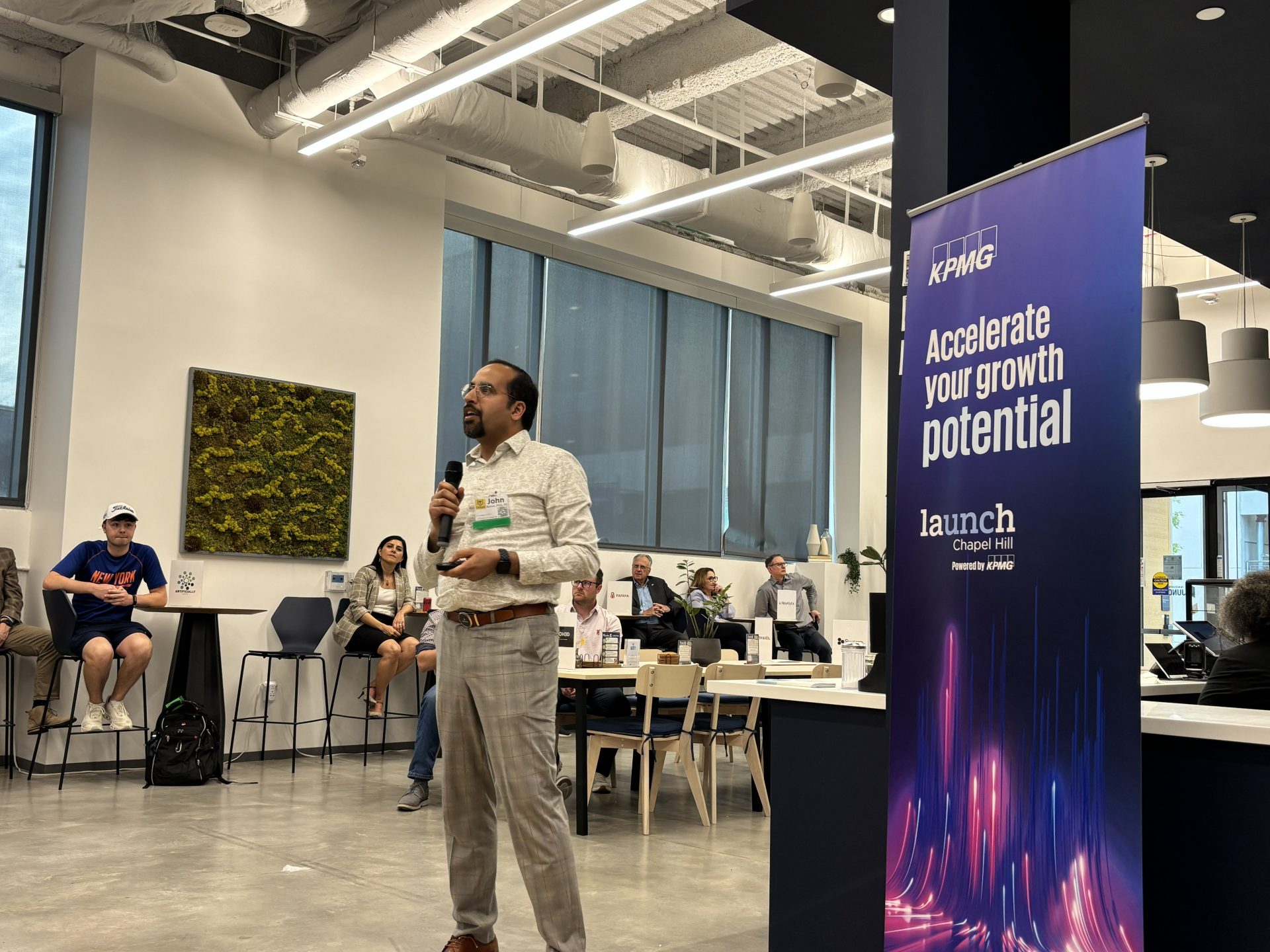

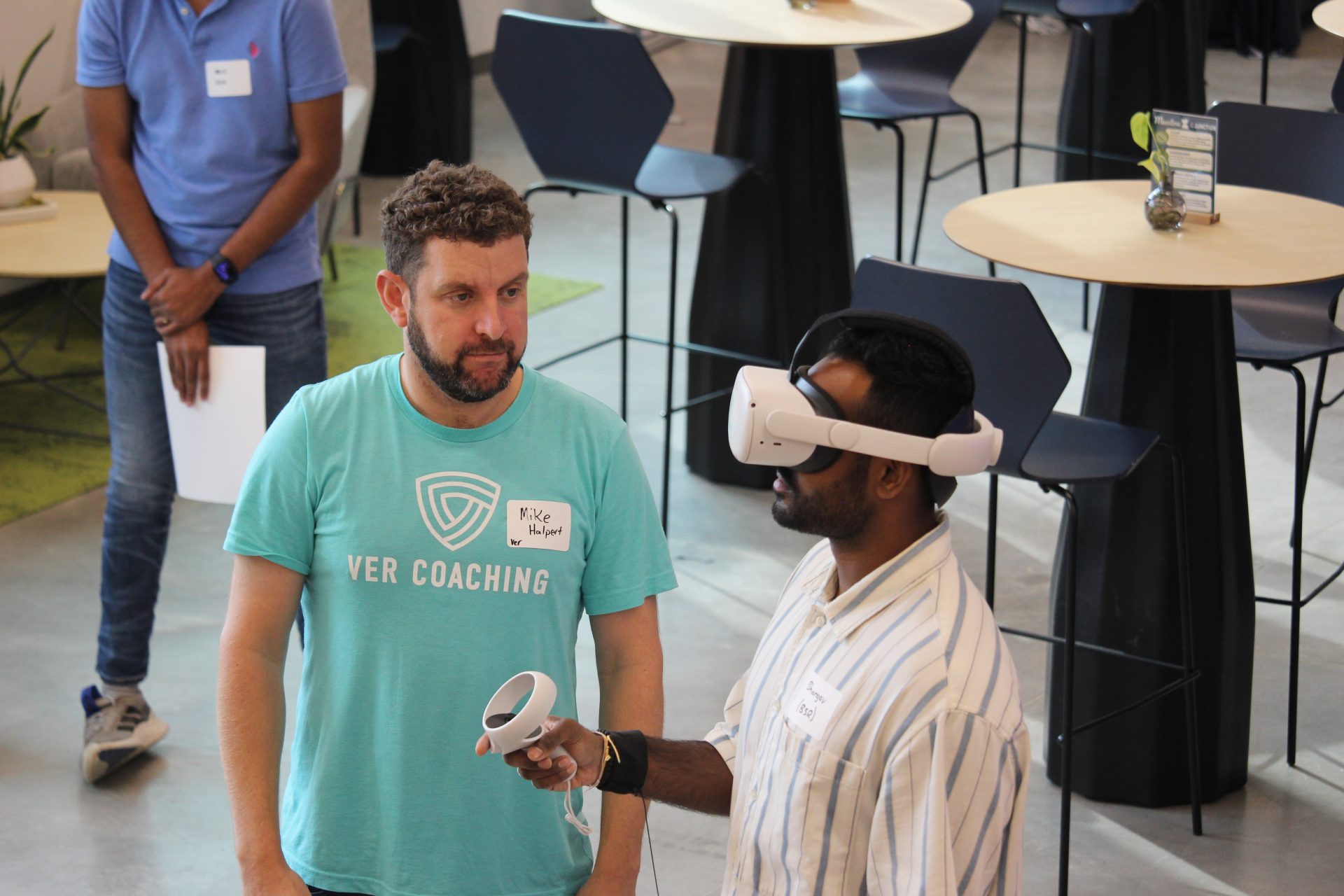
Launch Powered by KPMG also counts in its portfolio eight companies that have either spun out or are associated with universities. These include companies founded through UNC-Chapel Hill, NC State University, University of Illinois Urbana-Champaign, University of Minnesota, UCLA and Princeton University.
“From an economic development perspective, we’re both cultivating companies in the Research Triangle area and attracting firms from across the country and world,” said Runge. “This is a sticky region. Once people come here, they want to stay.”
Runge cites one out-of-state founder who plans to open his company’s first manufacturing site in his home state. Due to connections made during the accelerator, however, Runge says the founder visits Chapel Hill every six-to-eight weeks and is considering opening a second manufacturing facility in North Carolina.
“With three of the top 50 research institutions in the U.S., the Research Triangle has nearly limitless R&D and commercialization opportunity,” he said “This region can become the deep-tech hub for the country, and Launch Powered by KPMG can serve as an economic engine.”
Before collaborating to create the Launch Powered by KPMG accelerator, Jenkins visited campuses and innovation hubs across the U.S. What stood out wasn’t what he saw. It’s what he didn’t.
“We toured different universities and accelerators because we wanted to figure out what’s successful and what people are working on,” said Jenkins. “We kept seeing these well-known places, and they had amazing logos from major companies displayed on the wall. But the spaces were all empty—nobody was there.”
That experience shaped his approach to the Launch Powered by KPMG concept. “When we started having conversations, Brad made it clear that he did not want KPMG to be a sponsor with just a logo on the wall,” said Waddell. “That’s when I knew this collaboration would be different.”
KPMG’s involvement is deeply embedded in the program: leading workshops, mentoring founders, shaping curriculum alongside Launch Chapel Hill and Innovate Carolina, and connecting startups to enterprise clients. In some cases, the firm pilots the startups’ technologies internally.
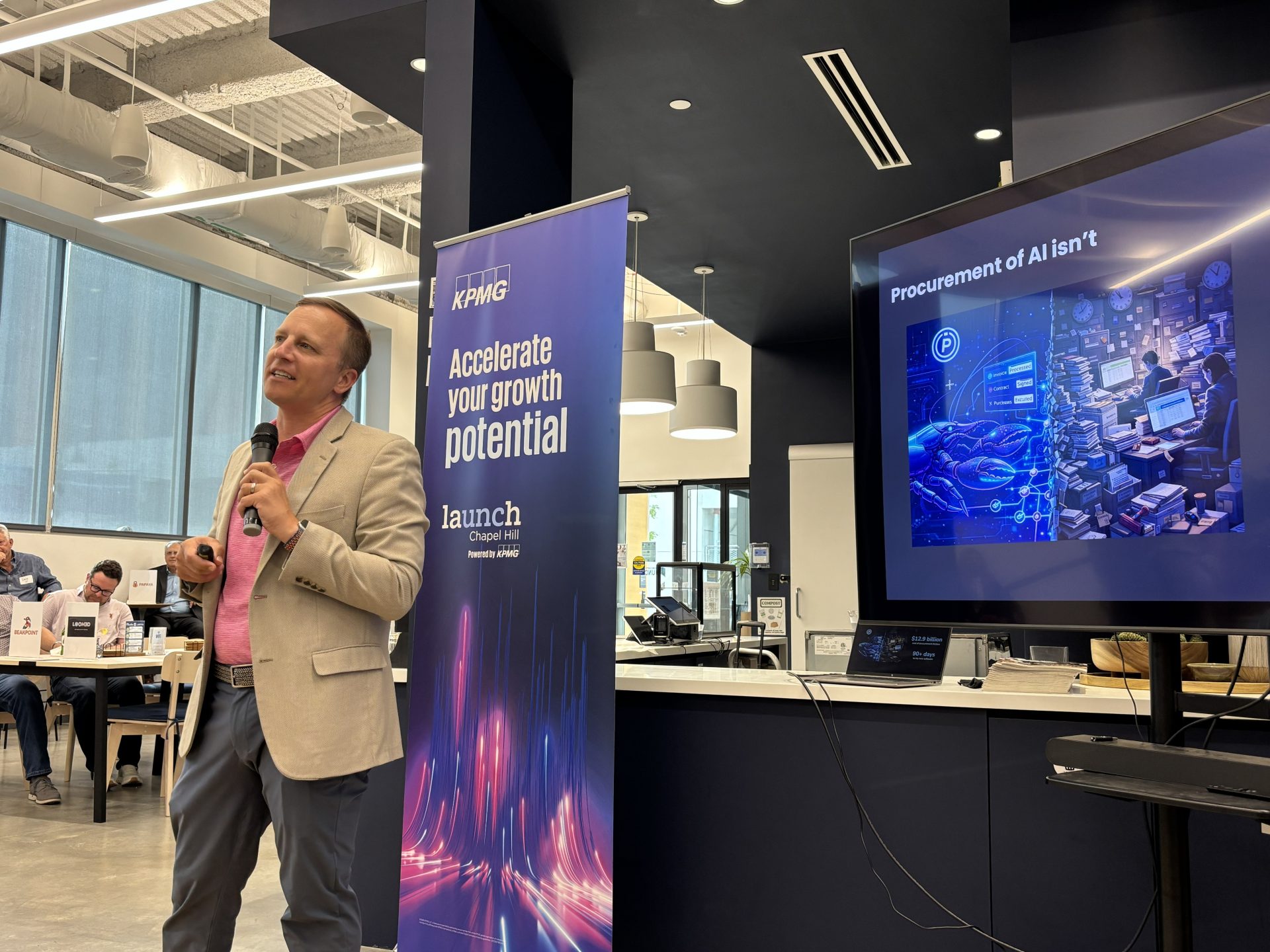

“What stands out most is that the KPMG team rolls up their sleeves to make every week of this six-week program count—and their continued support of prior cohorts signals they’re invested in founder success well beyond the program itself,” said Miller.
Looking ahead, the model may extend far beyond Chapel Hill. “In the Research Triangle area, we see a lot of biotech, AI and manufacturing activity, and I think other regions are strong at different things,” said McAlister. “I believe universities in other cities will see what we’re doing in Chapel Hill and say, ‘Hey, we want that model. We want to tap into whatever is unique about our ecosystem and grow that, too.’ It would be exciting to use what we’re creating at UNC as the case study for new accelerator models across the country.”
 | UNC-CH