From breakthrough lab discoveries to job-creating companies across North Carolina and beyond, UNC-Chapel Hill has reached a defining milestone in turning research into real-world impact with the launch of 200 startups based on University intellectual property.
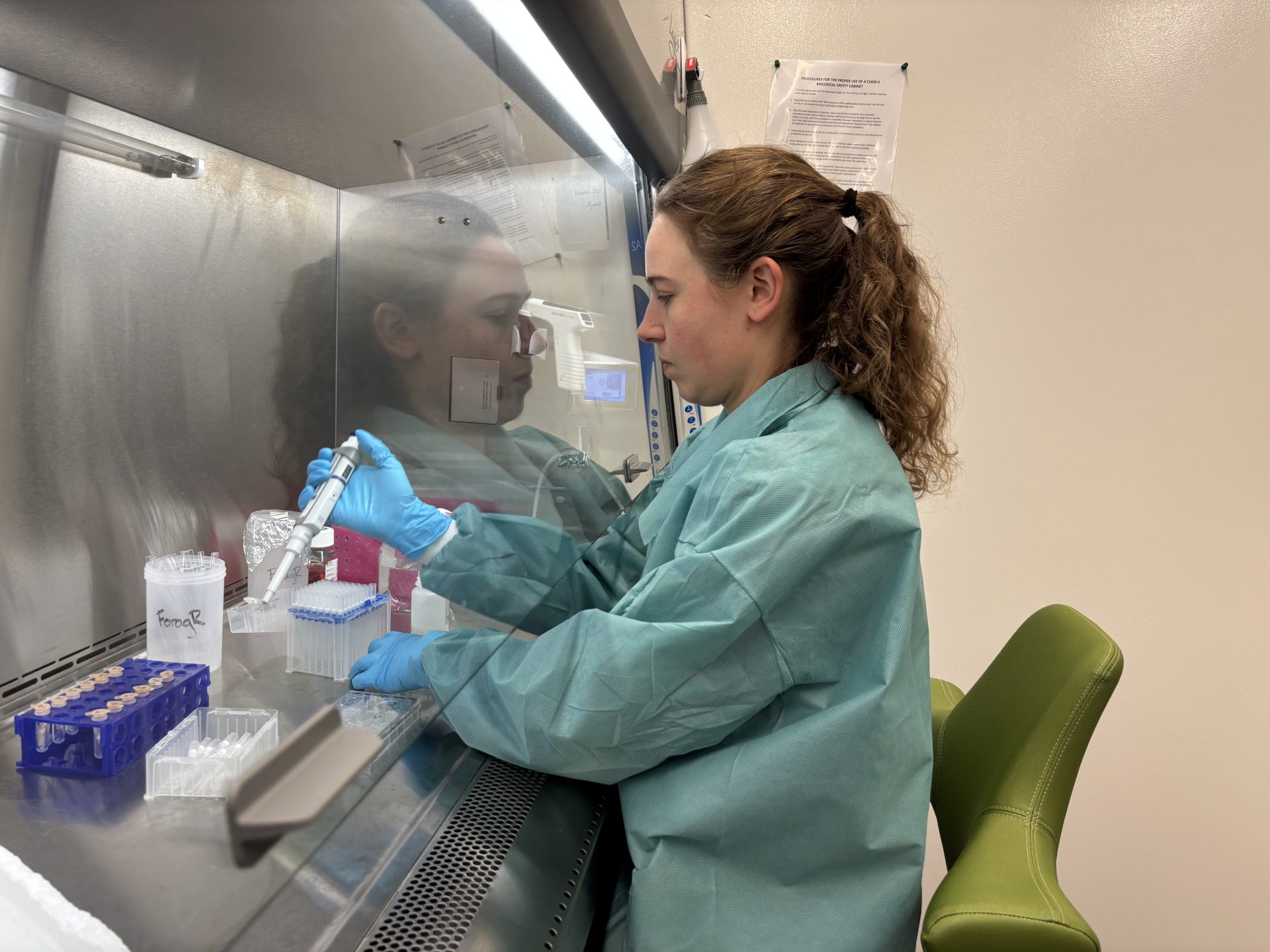
The University of North Carolina at Chapel Hill has now launched 200 startups based on the University’s intellectual property (IP), marking a major milestone in its efforts to transform ideas and inventions from research labs into products and services in the commercial market. The 200 IP-based startups represent a significant portion of the more than 1,273 total UNC-affiliated startups, which include both IP-based and non-IP ventures, founded by Carolina faculty, students, alumni and staff since 1950.
Surpassing 200 IP‑based startups is a powerful testament to the creativity and research excellence of Carolina’s faculty and inventors and the strength of UNC’s flourishing entrepreneurial culture,” said Kelly Parsons, PhD, director of technology commercialization at Innovate Carolina. “By launching and supporting startups, our innovators accelerate the path from discovery to real‑world solutions—creating jobs, driving economic growth, and improving lives.”
Reaching the 200 IP-based company mark places UNC-Chapel Hill within a top tier of U.S. research universities to achieve this notable level of commercial productivity. According to Innovate Carolina’s analysis of the most recent survey conducted by the Association of University Technology Managers in 2024, only approximately 10% of the more than 260 U.S. universities that responded to the association’s annual STATT survey reported launching 200 or more IP-based startups since the survey began in 1991.
IP-based startups spun out of UNC-Chapel Hill have an impressive record of creating economic impact, according to an analysis conducted by Innovate Carolina for its fiscal year (FY25) impact report. The report (which analyzed 197 IP-based companies founded as of FY25) shows that more than 55% of Carolina’s IP-focused ventures remain active. The large majority of these companies are located in North Carolina, where they contribute to local and regional economies while developing technologies and life science innovations with global impact. The positive effect generated by the companies during FY25 was significant:
Carolina startups founded on IP work with the UNC Office of Technology Commercialization (OTC), which partners with Carolina inventors and founders of UNC research-based startups through the entire technology transfer process. Beyond working to support startup teams, OTC has facilitated the commercialization of 56 research-based products currently on the market. OTC support includes the evaluation of patentability and market opportunities, awarding of pre-commercial gap funding, securing patents and copyrights, marketing University inventions, and building and growing industry relationships to ensure Carolina technologies are actively developed. UNC-affiliated founders also often work with Innovate Carolina’s KickStart Venture Services team, which supports research-based startup formation and growth by providing education, early-stage funding, and on-campus wet lab accelerator space.
Examples of recent UNC-Chapel Hill IP-based startups founded during FY25 include:
“During our time working with 200 startups, we’ve garnered an in-depth understanding of the kinds of support tools and resources that help entrepreneurial-minded researchers establish strong roots for their ventures and set their companies on course to grow,” said Mireya McKee, director of KickStart Venture Services. “Whether it’s a network of entrepreneurial and industry-embedded advisors, targeted grant award funding for technology validation and development, affordable and convenient accelerator space and equipment in the research corridor of campus, customer discovery and targeted education programs, or connections to investors and industry partners, the programs we offer are designed to help our founders at every step.”
OTC and KickStart are part of Innovate Carolina, which serves as an innovation services hub, offering a wide range of programs and services to help innovators, entrepreneurs and inventors launch startups and create market-ready technologies, products and services. Innovation services include support for translational research projects with commercial potential (Institute for Convergent Science), market research and competitive intelligence, startup accelerators and venture services, design thinking services, and an innovation coworking space and community in downtown Chapel Hill (Innovate Carolina Junction).
Innovate Carolina’s annual startups analysis is powered by the Innovate Carolina Data Hub, a novel, proprietary platform that captures and reports on how the University’s commercial and social ventures make an economic and social impact. Launched in 2014, this platform goes beyond traditional approaches used in the wider academic community for measuring the results of university-born companies. While many institutions track startup activity on IP-based startups only, the Innovate Carolina Data Intelligence Hub compiles results over time for both IP and non-IP startups. Tracking results of commercial and social ventures gives a more complete picture of startup company activity across the entire University, throughout North Carolina and beyond. For instance, data from Innovate Carolina’s FY25 analysis shows:
What is a UNC-affiliated startup?
A UNC-affiliated startup is an incorporated firm with a verified legal formation date and a clear connection to UNC-Chapel Hill. These ventures are founded by faculty, staff, or students while they are at the University or within five years of their graduating or departing from the University.
UNC-affiliated startups fall into three categories: IP/technology startups, which are created to commercialize UNC-owned intellectual property; assisted startups, which benefit from University programs, incubators, and funding; and independent startups, which have no UNC-Chapel Hill intellectual property, funding, or measurable level of programmatic support, but which are deemed to have been influenced by the recency of their founders’ experience at the University.
 | UNC-CH