For student entrepreneurs, Demo Day at the Innovate Carolina Junction caps a two-week journey from the Research Triangle to Luxembourg, Belgium, the Netherlands and Germany — and back home.
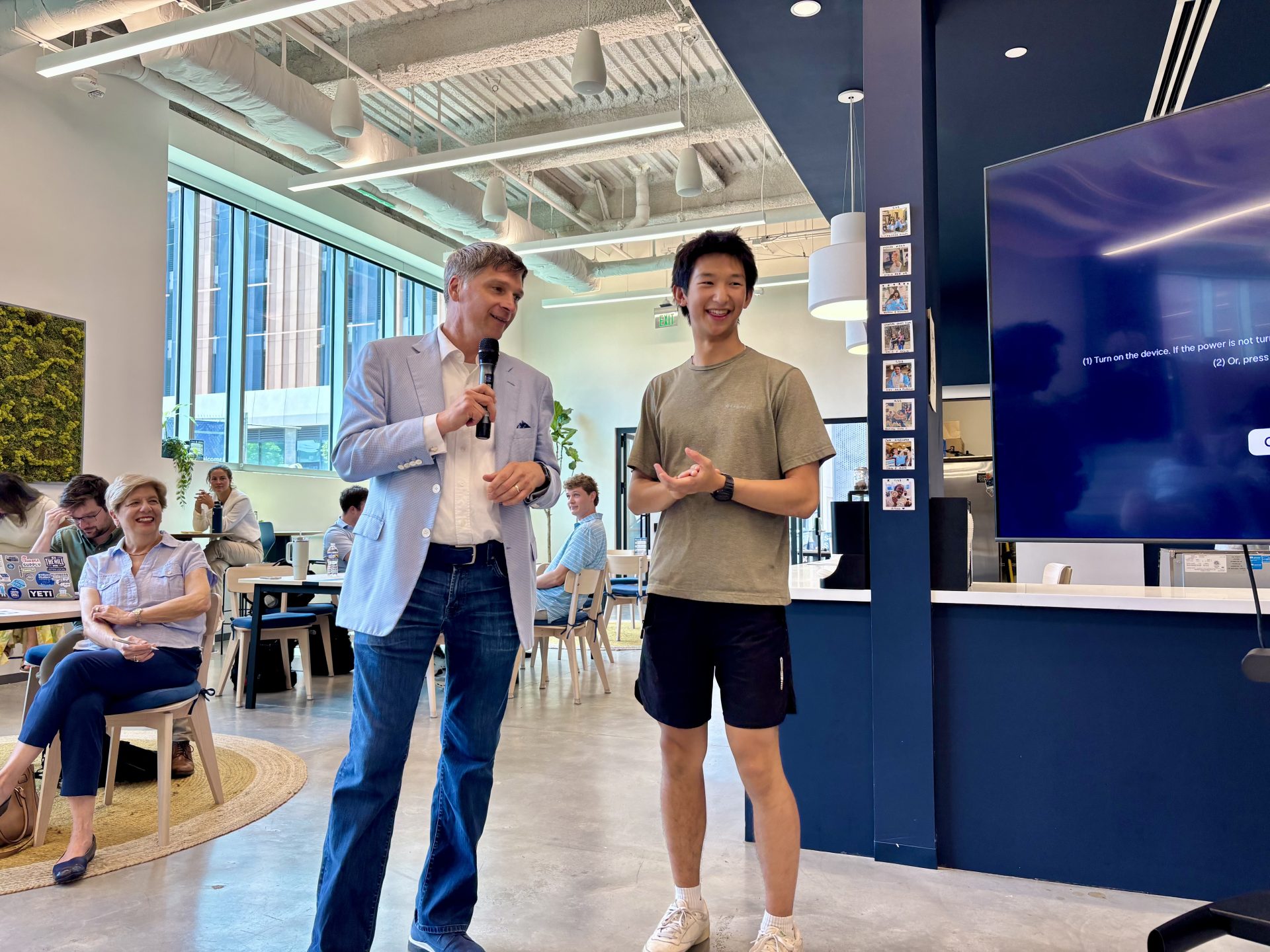
Isaac Yuan breezed through the door just in time. The pitch session for his startup was seconds from starting. He wasn’t cutting it close because of a client call, an investor meeting or an employee scrum that ran long. He was running—literally—from his freshman student orientation session at the University of North Carolina at Chapel Hill.
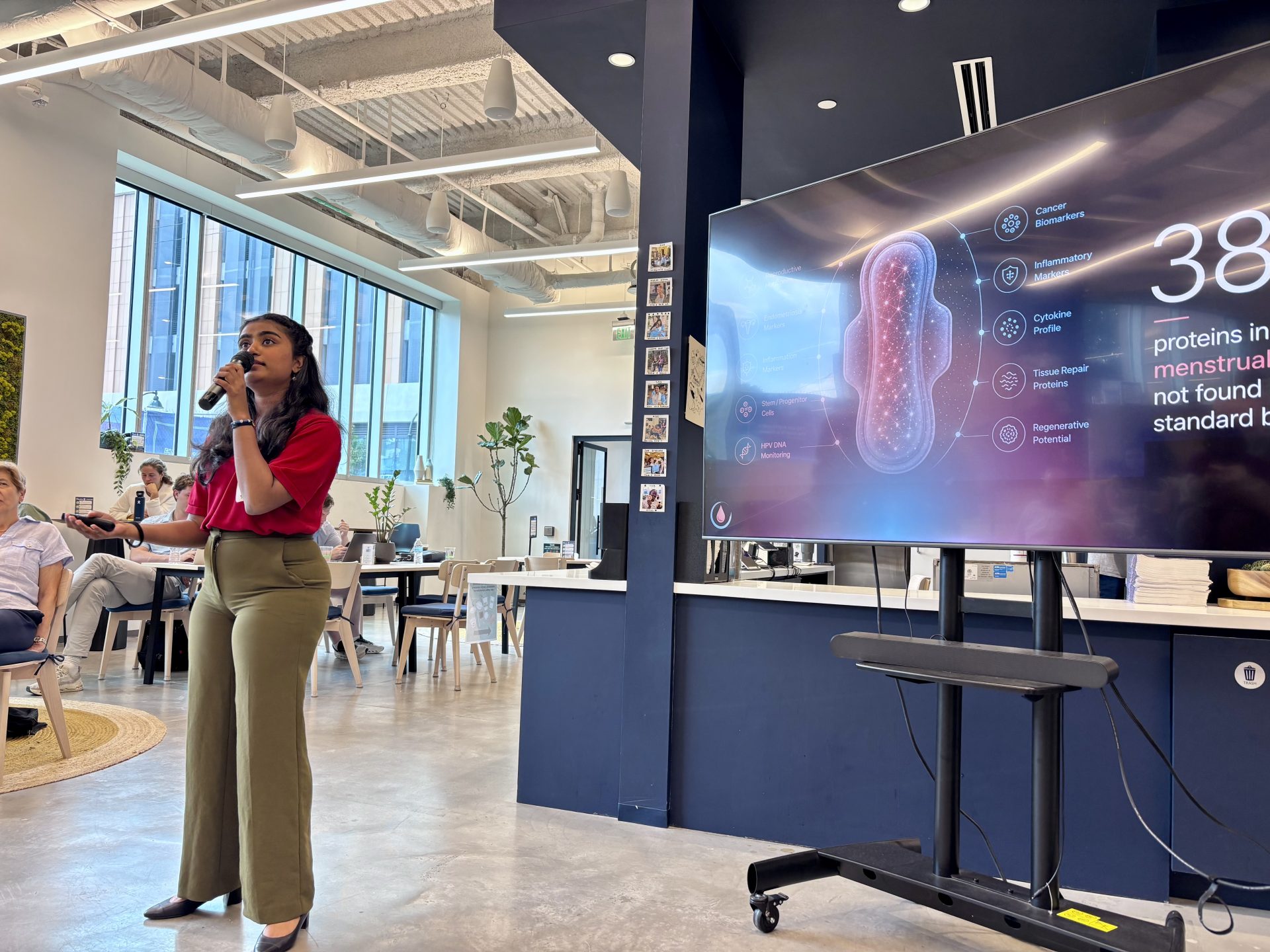
“In the next couple years, we’ll continue product validation through our research. Then we hope to get clinical validation through our pilot,” said Yuan of RadiAid, the startup he co-founded with fellow incoming freshman and co-presenter Hasini Kanthi. “Following that, we’ll seek regulatory approvals and then go to market.” It’s an ambitious, yet entirely realistic, vision for students who’ve yet to move into their dorms.
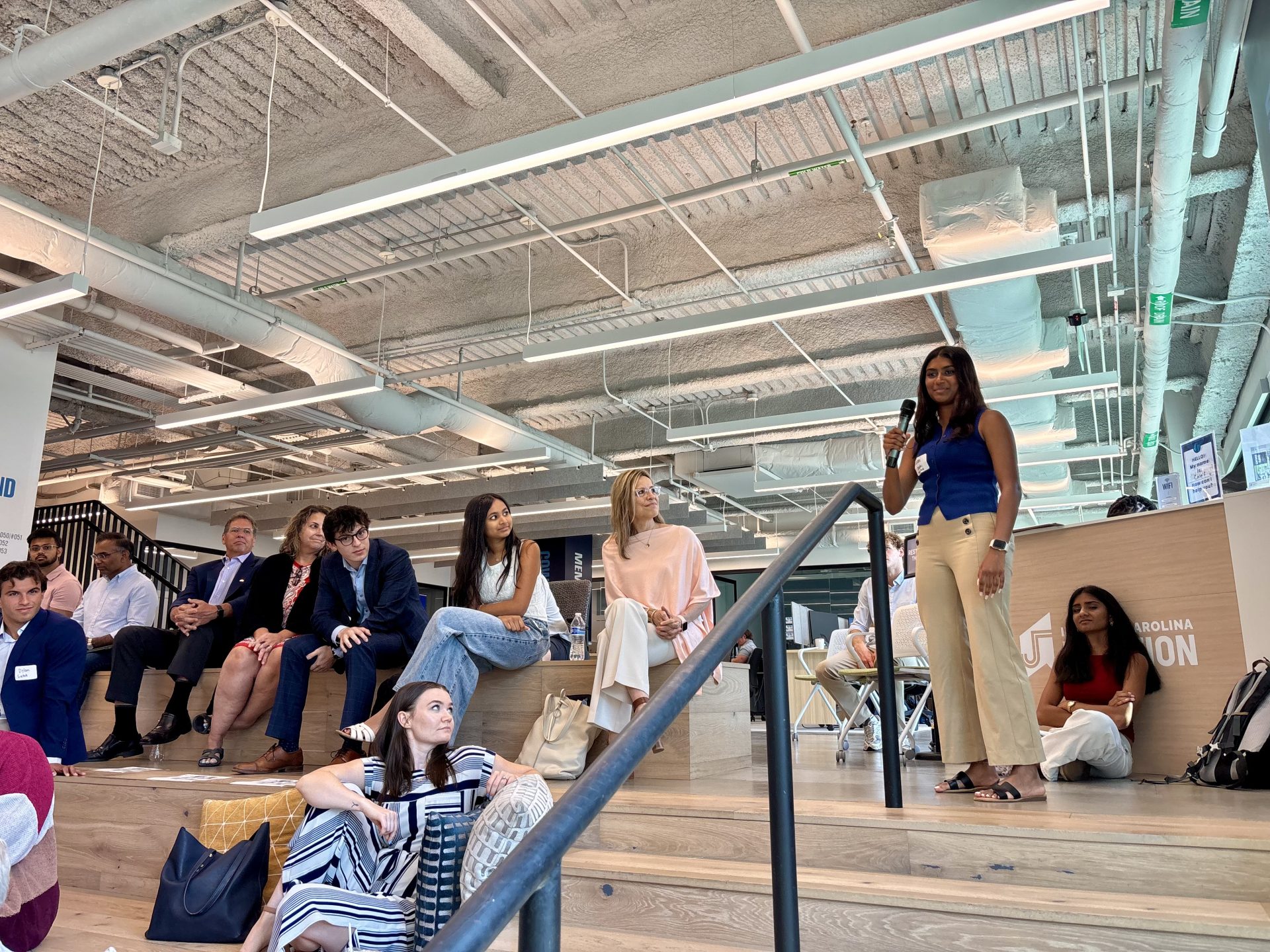
On a July afternoon, Yuan made his pitch among a group of six student-founded companies that took the stage at the Innovate Carolina Junction, a UNC-managed innovation and coworking hub, for the Demo Day. The event wrapped up the inaugural Launch Chapel Hill International Student Accelerator and Innovation Hub Crawl, the third and most ambitious of the accelerator’s three summer cohorts. Over the previous two weeks, eight student founders carried their six startups from the Research Triangle across Europe and back: learning, connecting and pitching.
“What you see is an impressive group of entrepreneurs,” said Emil Runge, director of Launch Chapel Hill, who led the event and noted that several founders are still teenagers. “We need to continue providing the scaffolding they need to grow and succeed.”
At Demo Day, each company had five minutes and a full house of mentors, investors and community members to convince.
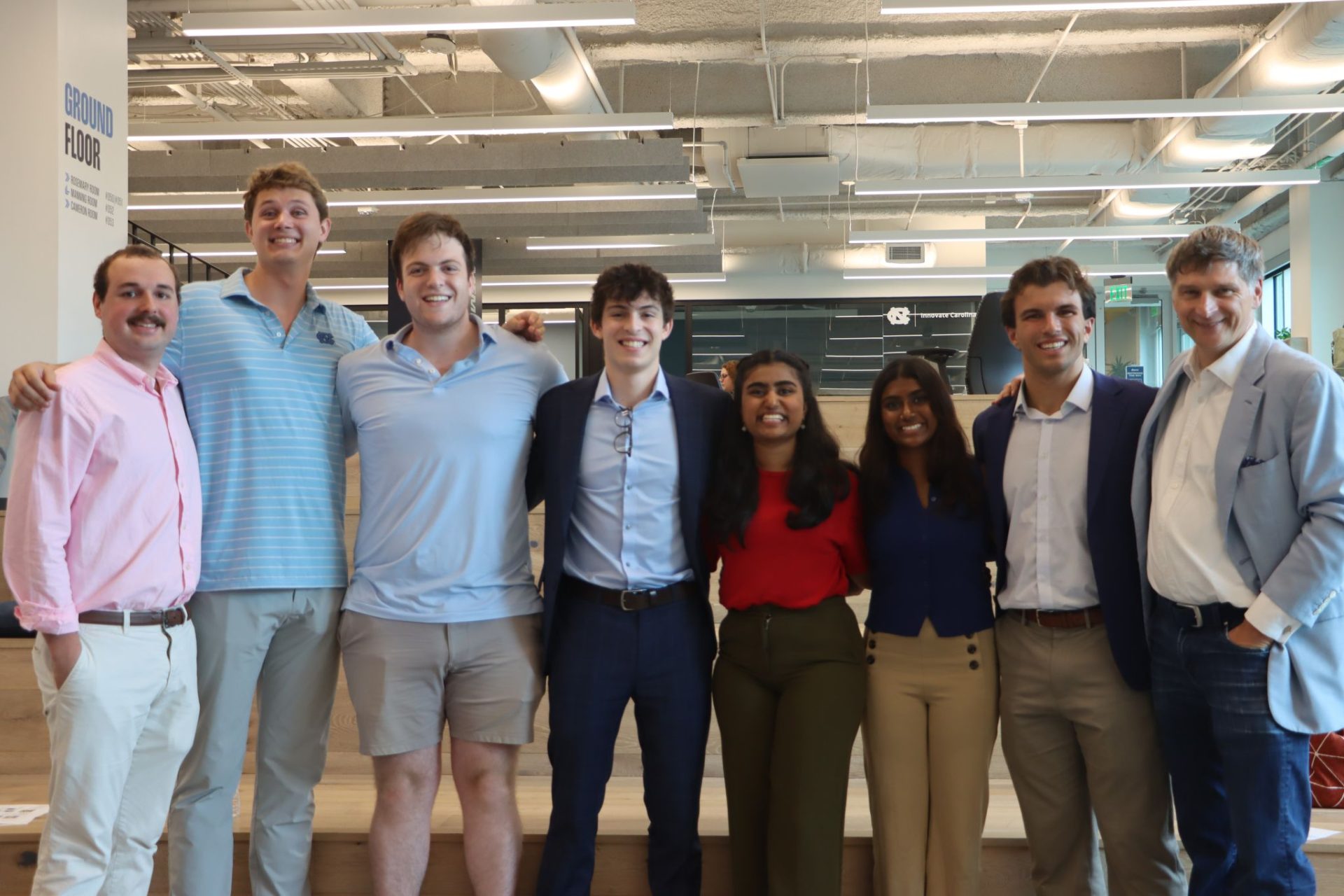
The international track is the newest and farthest-reaching of Launch’s summer offerings. The program extends a funnel that runs from university to local, regional, national and now international. This cohort took eight students and six North Carolina companies from UNC-Chapel Hill and NC State University from the Research Triangle region through Luxembourg, Belgium, the Netherlands and Germany and back. It was built in three phases.
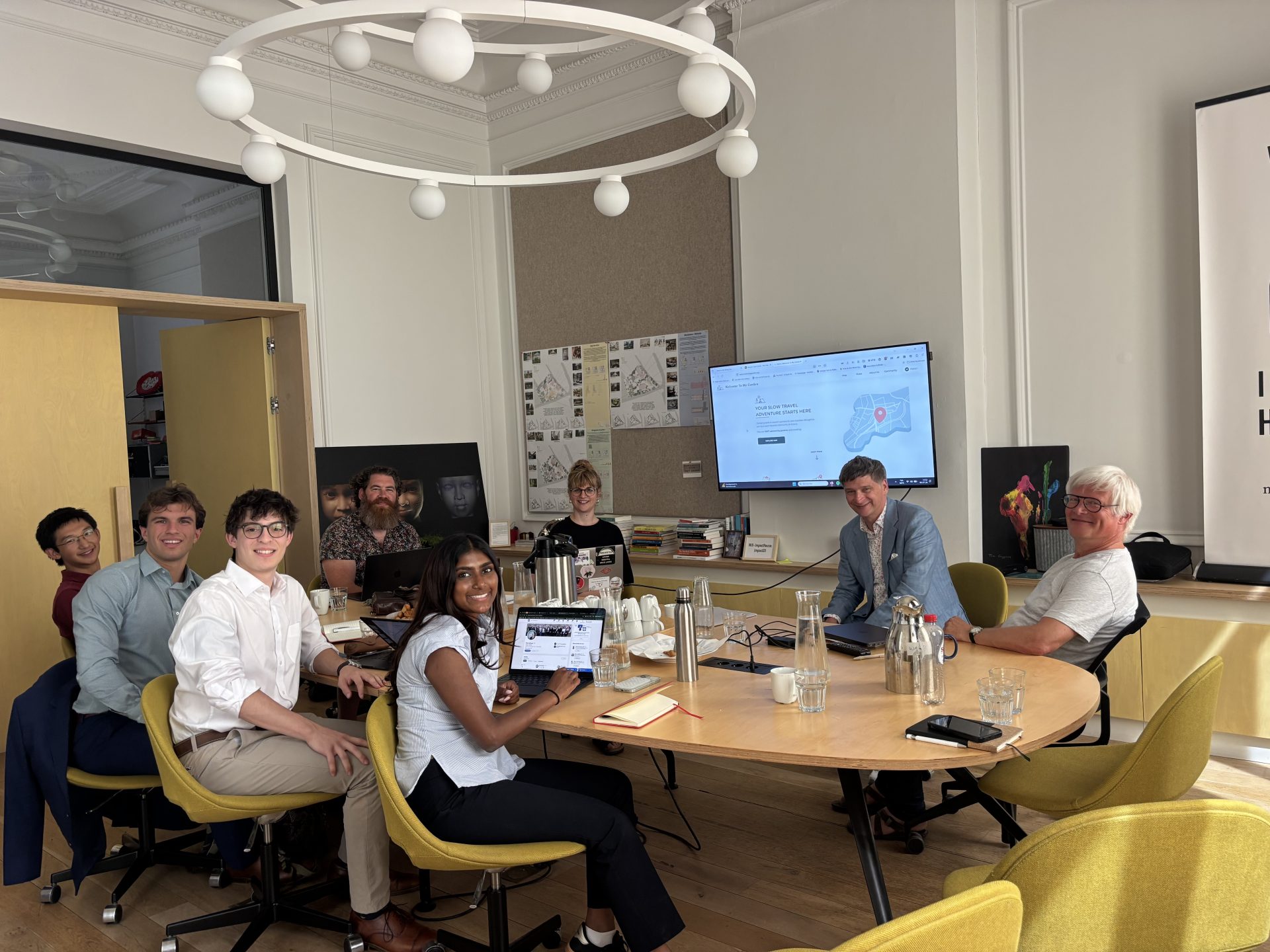
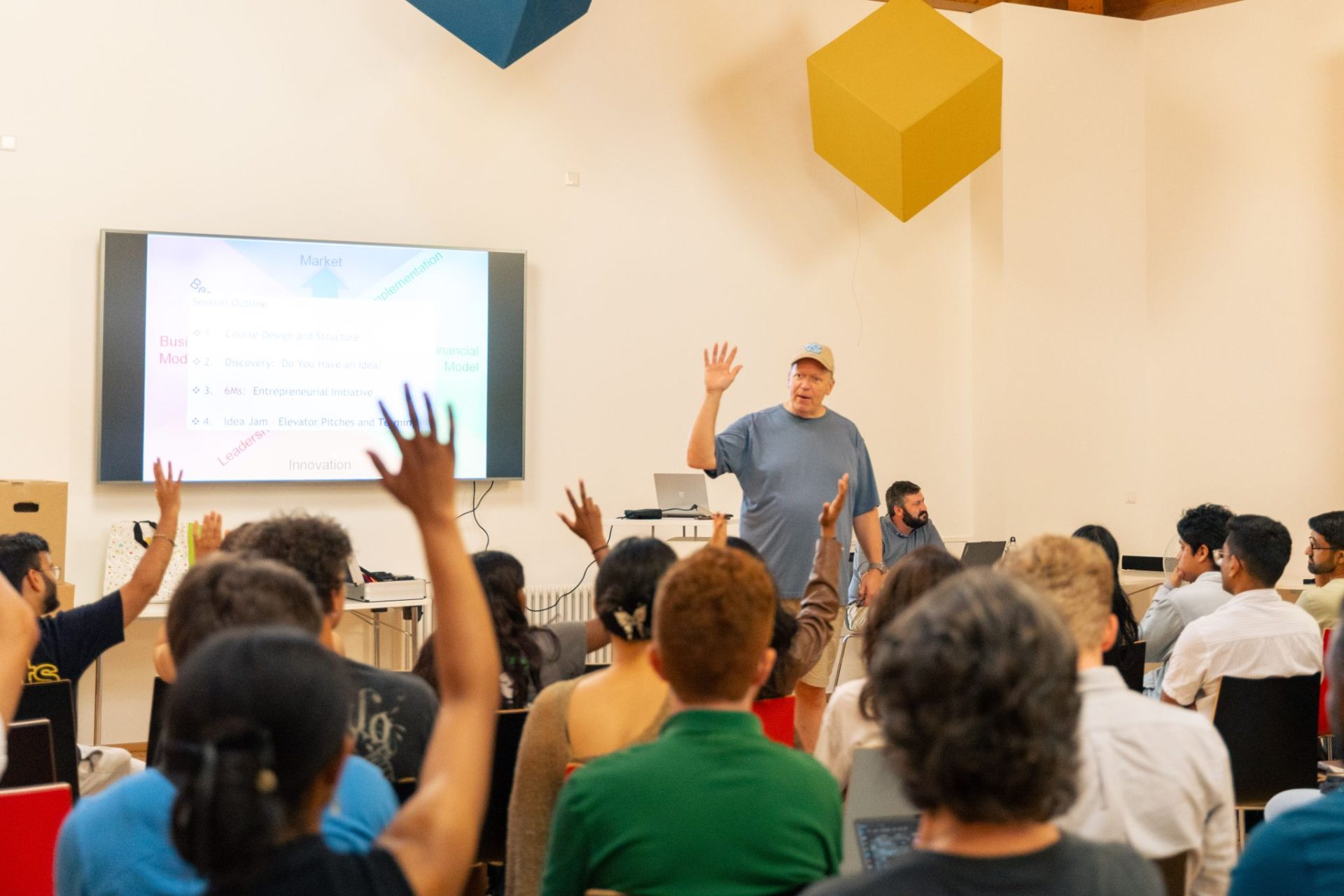
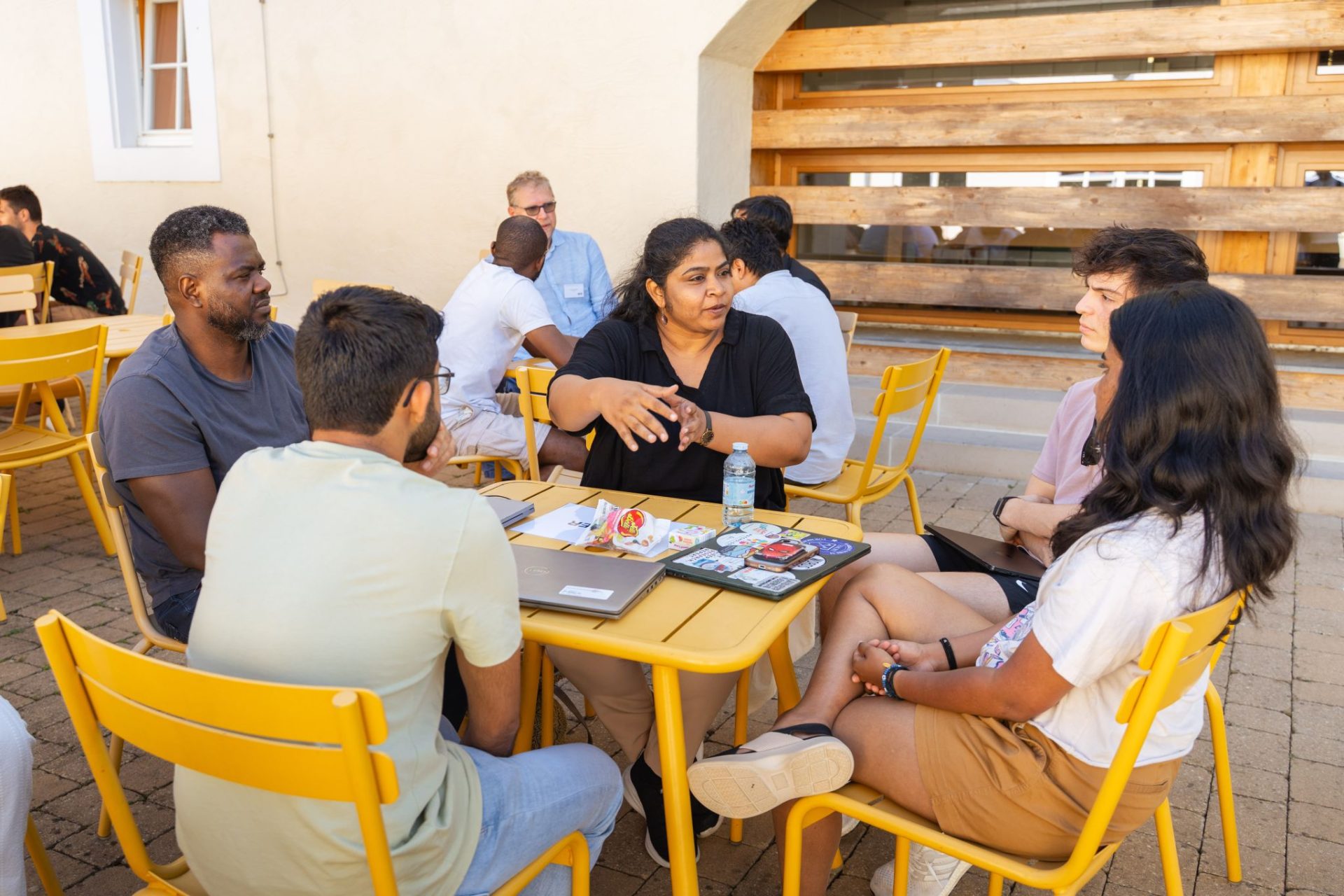
Phase one: entrepreneurial accelerator. A five-day accelerator at the University of Luxembourg’s Belval campus was built on the 6M entrepreneurial methodology taught by Ted Zoller, the T.W. Lewis Clinical Professor of Strategy and Entrepreneurship at Kenan-Flagler Business School: Meaning, Model, Market, Money, Management and Milestones. During daily sessions, the students worked shoulder-to-shoulder with more than 30 international graduate students and postdoctoral researchers. For Gretok, the Luxembourg week was a crash course in the fundamentals he’d never gotten as an engineer. “I got to do a week-long MBA as an undergraduate student,” said Gretok. “As an NC State engineer, getting my business fundamentals grounded was an exceptional experience.”
Phase two: innovation hub crawl. The next week took students through Brussels and Bruges to Heerlen, Aachen and Cologne. The cohort met the founder of Hack Belgium, visited the Impact House of Belgian grocery magnate and social-impact investor Pete Colruyt, and pitched along the way. Meop and RadiAid were among just 15 companies invited to present at the Summer AI Summit at the Brightlands Smart Services Campus in Heerlen. In Germany, students toured RWTH Aachen and the Gateway Factory, a global accelerator linking universities in Aachen, Cologne, Düsseldorf and Luxembourg.
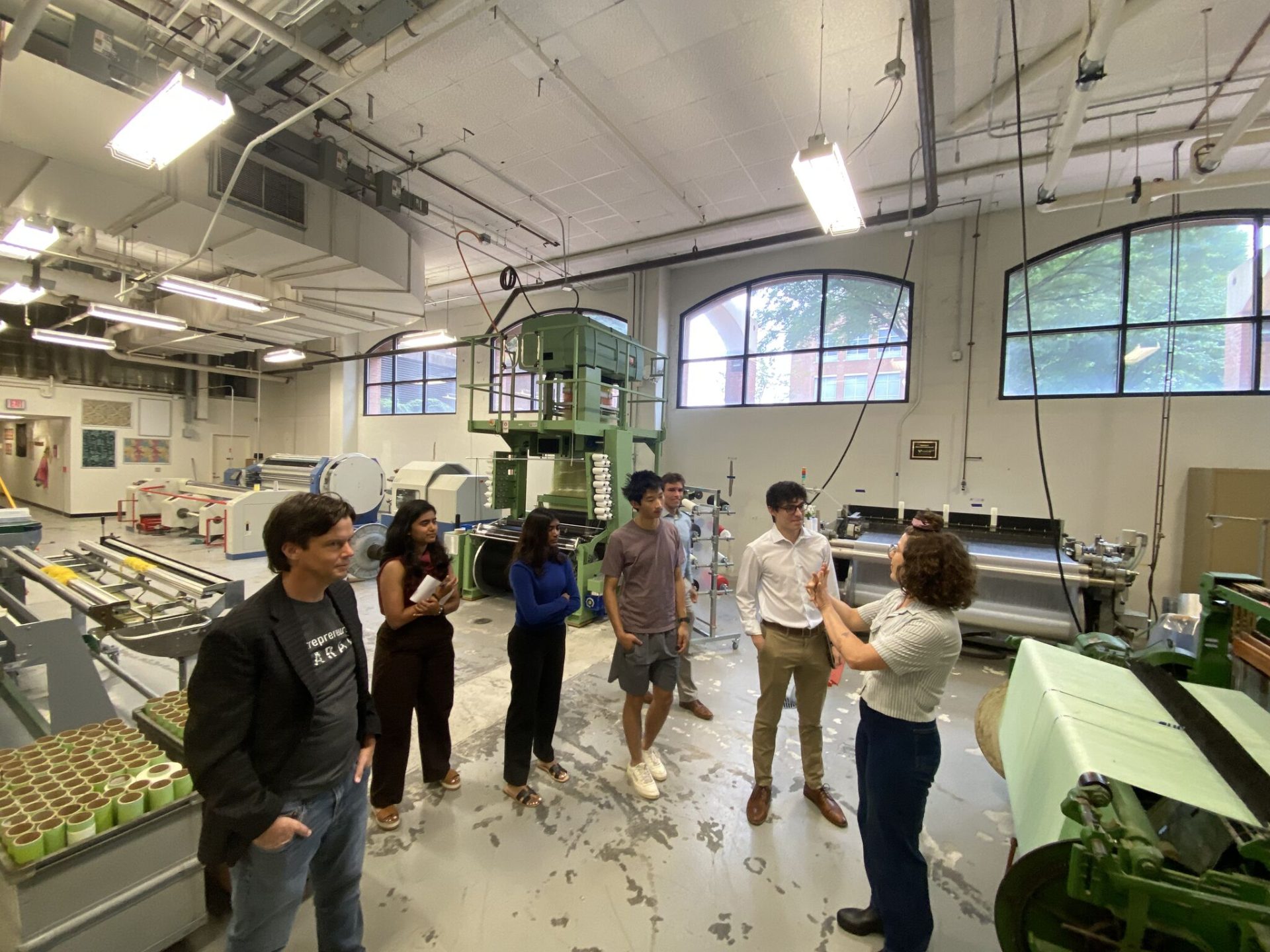
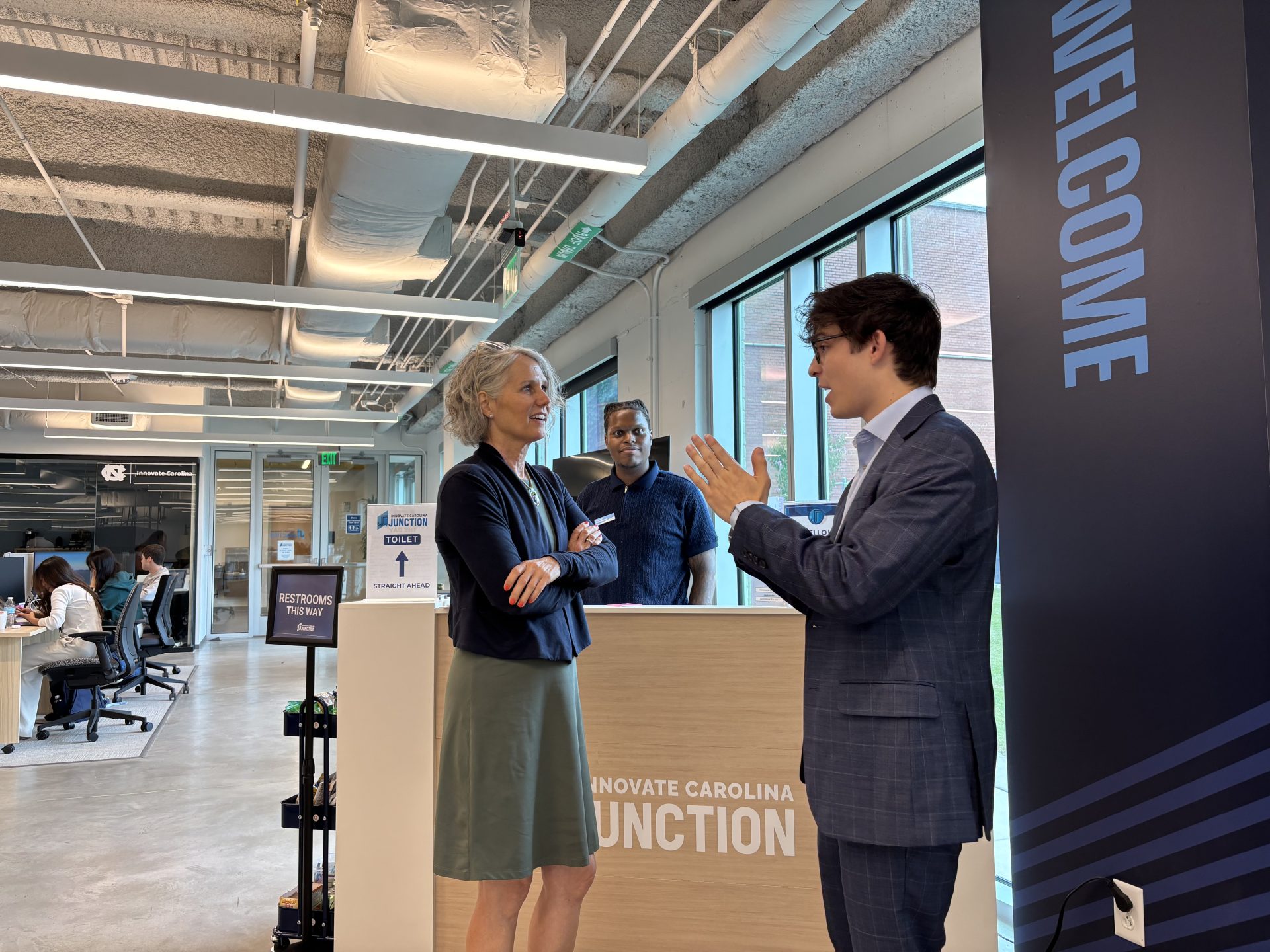
Phase three: Research Triangle ecosystem. The final leg brought the cohort home to reconnect the experience to North Carolina’s entrepreneurial system. This included meetings at the North Carolina Biotechnology Center, a tour of NC State University’s Wilson College of Textiles, and a Mentor Morning at UNC-Chapel Hill’s Junction coworking and innovation hub that stationed 27 mentors for rapid, rotating one-on-ones — the runway into Demo Day.
Others pointed to late-night conversations with PhDs and postdocs and to a different center of gravity abroad. “In the U.S. it’s a huge market — they’re building to make as much money as possible,” said Yuan. “But in Europe they’re also looking for social innovation, which is what a lot of us are doing.” For Runge, that contrast is the point. “There are fundamentally different ways in which Europe and other places think about technology and how they invest in entrepreneurship,” he said. “We can learn from that.”
Founded in 2013, Launch Chapel Hill is an accelerator formed through a partnership between UNC-Chapel Hill and the Town of Chapel Hill. Its appeal runs in three directions: for students, proof that you don’t have to wait — or be a faculty member with a lab — to build a company; for industry, a preview of regional talent and growing companies already tackling real problems in life sciences, biotech, healthcare, AI, fintech and other deep-tech sectors; and for the University and region, a seed of economic development.
That development is measurable. According to Innovate Carolina’s innovation impact report, since its founding in 2013 Launch Chapel Hill has supported more than 250 companies, which raised a cumulative $134.5 million in funding during fiscal year 2025. Its 119 active companies generated $95.2 million in revenue and 5,500 jobs during the same year.
Today Launch runs several tracks— among them Launch Powered by KPMG, an AI-enabled accelerator open to founders of companies ready to pilot with enterprise customers; Launch Local for Chapel Hill and Carrboro small businesses; and the Student Summer Accelerators. This summer alone it ran three back-to-back student cohorts: 14 entrepreneurs in the first cohort (May 12–28), 20 students in the second cohort (June 2–18), and the eight international founders who closed the season. Across all three, students connected with well over 100 mentors, speakers and collaborators.
Such connections are part of the support scaffolding Runge challenges the region to continue building. If well equipped, many of the summer accelerator’s founders — several not yet old enough to have finished a first semester of college — just might build the rest.
 | UNC-CH